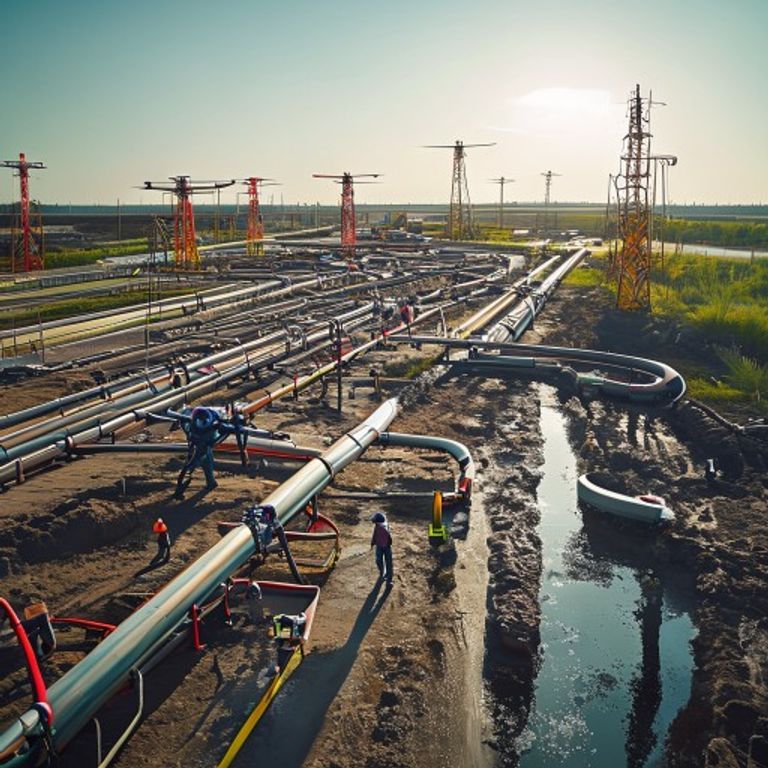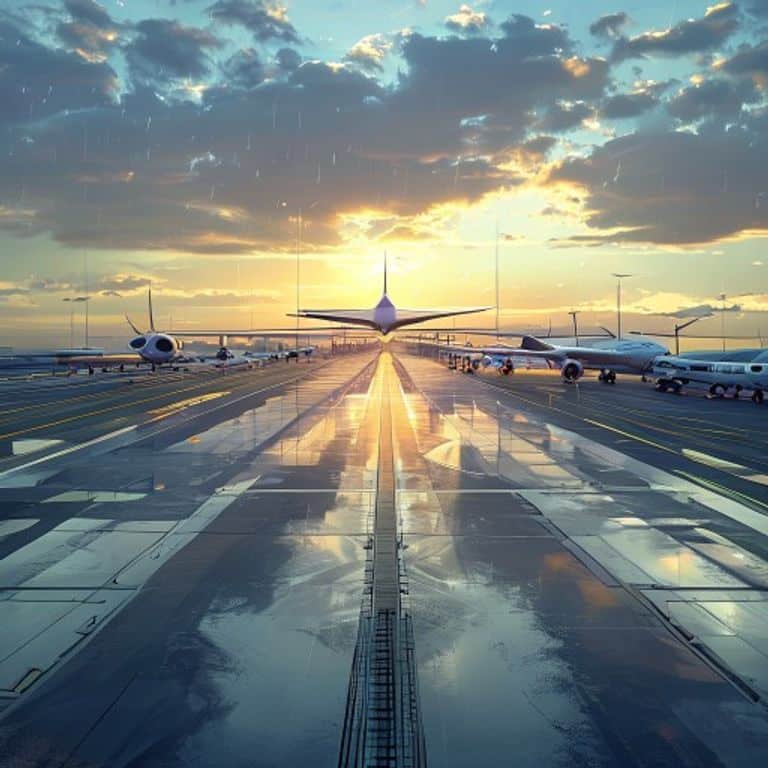
Modern flights depend on far more than aircraft, pilots, and air traffic control. Every departure and arrival is supported by a complex network of airport infrastructure, much of it invisible to passengers. Beneath terminals, runways, aprons, hangars, and service roads are advanced water, drainage, pumping, and utility systems that help keep airports safe, efficient, and resilient.
For engineering-focused organizations such as Ben Slilat, the connection between flights and infrastructure is clear: reliable aviation begins on the ground. From stormwater management to terminal water supply, airport engineering influences safety, passenger comfort, operational continuity, and long-term sustainability.
The Hidden Systems Behind Reliable Flights
When travelers search for flights, they usually compare destinations, schedules, prices, baggage policies, and airline services. Yet the reliability of those flights is deeply connected to the performance of airport systems. A delayed aircraft may be affected by weather, runway conditions, ground handling bottlenecks, or infrastructure limitations that passengers rarely see.
Airports function like compact cities. They require continuous water supply, wastewater removal, emergency fire systems, stormwater channels, fuel-area drainage controls, mechanical infrastructure, and coordinated maintenance access. These systems must operate under heavy demand, rapid schedule changes, seasonal peaks, and extreme weather events.
The best airport infrastructure is designed for redundancy and resilience. If one component fails, another should help preserve essential operations. This is especially important in aviation, where even a small interruption can ripple across hundreds of flights and affect passengers, airlines, cargo operations, and airport revenue.
Why Airport Water Engineering Matters for Air Travel
Water engineering plays a direct role in the efficiency and safety of flights. Terminals, runways, taxiways, cargo areas, and aircraft maintenance zones all rely on properly designed hydraulic systems. These include potable water networks, wastewater collection, drainage infrastructure, pumping stations, retention basins, and flood-prevention systems.
In passenger terminals, water engineering supports restrooms, food-service areas, cleaning operations, cooling systems, and emergency response. In airside areas, it supports safe surface conditions, controls runoff, and helps prevent water accumulation that could affect aircraft movement. Around hangars and maintenance zones, specialized drainage systems may also be needed to handle industrial runoff and protect the environment.
Professional planning is critical because airport environments are highly regulated and operationally sensitive. Construction and upgrades must often be performed without interrupting daily flights. That requires detailed phasing, accurate coordination, and engineering solutions that account for both current traffic and future expansion.
Runway Drainage and the Safety of Takeoffs and Landings
Runway drainage is one of the most important yet least visible contributors to aviation safety. During rainfall, water must be removed quickly and predictably from runway surfaces. If drainage is inadequate, standing water can increase the risk of hydroplaning, reduce braking performance, and complicate aircraft control during takeoff or landing.
Effective runway drainage begins with precise grading. Runway surfaces must be shaped so water flows toward collection points without creating dangerous pooling. Drainage channels, slot drains, culverts, and underground pipe networks then move runoff away from critical aircraft movement areas. These systems must be engineered for intense storms, local soil conditions, and airport-specific operational demands.
Good drainage also protects pavement durability. Water infiltration can weaken pavement layers, accelerate cracking, and increase maintenance needs. By managing water correctly, airports can extend pavement life, reduce closure periods, and preserve smoother operations for flights throughout the year.
Terminal Water Systems That Shape the Passenger Experience
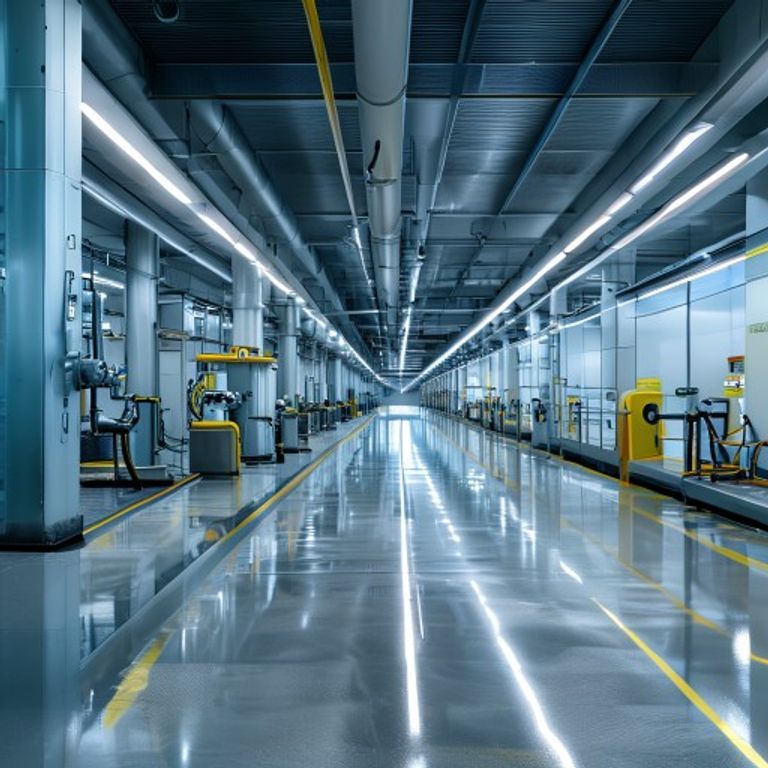
Passengers may not think about terminal infrastructure unless something goes wrong. However, water systems directly affect the travel experience from the moment a traveler enters the airport. Clean restrooms, reliable food and beverage services, efficient cleaning, comfortable climate systems, and emergency preparedness all depend on well-designed utilities.
Large airports experience fluctuating demand throughout the day. Morning and evening peaks can place heavy pressure on plumbing networks, pumps, storage systems, and wastewater lines. During holidays or major events, demand can surge dramatically. Engineering teams must design systems that can handle peak loads while remaining efficient during quieter periods.
Another key consideration is maintenance accessibility. Airport terminals operate nearly continuously, which means system repairs and inspections must be planned carefully. Smart design allows facilities teams to isolate sections, service equipment, and maintain water infrastructure without causing unnecessary disruption to passengers or flights.
Stormwater Management During Peak Travel Seasons
Peak travel seasons often coincide with challenging weather. Summer storms, winter precipitation, and sudden heavy rainfall can place enormous pressure on airport stormwater systems. Because flights operate on tight schedules, stormwater infrastructure must respond quickly to protect runways, taxiways, roads, parking areas, and terminal access points.
Stormwater management at airports typically combines surface drainage, underground conveyance, detention or retention facilities, pumping stations, and monitoring systems. In some locations, water must be stored temporarily and released gradually to prevent downstream flooding. In others, treatment may be required before discharge to protect nearby waterways.
Designing these systems requires a deep understanding of rainfall intensity, catchment areas, pavement types, aircraft zones, environmental regulations, and future growth. A solution that works for a small regional airport may not be suitable for an international hub with constant flights and large paved surfaces.
Sustainability, Reuse, and Smarter Airport Operations
As the aviation industry evolves, sustainability has become a major priority. While much attention is placed on aircraft emissions and fuel efficiency, airport infrastructure also offers significant opportunities for improvement. Water conservation, reuse, runoff treatment, energy-efficient pumping, and smart monitoring can all reduce environmental impact.
Many airports are exploring systems that capture and reuse water for irrigation, cleaning, cooling, or other non-potable purposes. Smart sensors can detect leaks, monitor flow rates, and identify unusual consumption patterns before they become costly problems. Efficient pumping design can reduce energy usage while maintaining reliable service.
Sustainable engineering also supports operational resilience. Airports that manage water wisely are better prepared for drought, extreme rainfall, regulatory changes, and increasing passenger volumes. For flights, that means fewer infrastructure-related disruptions and a more dependable travel environment.
How Engineering Planning Reduces Delays and Disruptions
Flight delays are often associated with weather, crew scheduling, aircraft rotation, or air traffic congestion. Infrastructure can also be a contributing factor. Flooded service roads, blocked drainage systems, utility failures, construction conflicts, or terminal maintenance issues can slow airport operations and create delays across the flight schedule.
Careful engineering planning reduces these risks. Before construction begins, engineers assess operational constraints, traffic flows, safety zones, utility conflicts, and phasing requirements. At active airports, work may need to be performed at night, in limited access windows, or in stages that preserve runway and terminal functionality.
Advanced planning also includes lifecycle thinking. Instead of focusing only on installation, professional teams consider maintenance, inspection, replacement, and future upgrades. This approach helps airports avoid emergency repairs that could interfere with flights and passenger movement.
What Airports Need for the Future of Flights
The future of flights will be shaped by growth in passenger demand, new aircraft technologies, climate pressures, digital infrastructure, and rising expectations for efficiency. Airports will need flexible systems that can expand, adapt, and operate reliably under changing conditions.
Water and utility infrastructure must be designed with future capacity in mind. As terminals expand, new gates are added, cargo operations increase, or airport cities develop around aviation hubs, existing systems may face higher loads. Strategic engineering helps ensure that today’s investments do not become tomorrow’s bottlenecks.
Digital monitoring will also become more important. Real-time data from pumps, valves, drainage channels, storage systems, and consumption meters can help airport operators respond faster and plan maintenance more accurately. These tools support smarter decisions and help keep flights moving with fewer preventable interruptions.
Conclusion
Flights may begin in the sky, but their reliability starts on the ground. Airport infrastructure, especially water engineering and drainage systems, plays a vital role in safety, comfort, sustainability, and operational continuity. From runway drainage to terminal water supply, every engineered detail contributes to smoother travel and fewer disruptions.
As airports prepare for growing demand and more complex environmental challenges, advanced planning and high-quality execution will become even more important. The aviation experience passengers see is only the surface; beneath it lies the engineering that keeps modern flights moving every day.